
Welcome to
Furniture Design 24
We are a creative agency specializing in graphic design, web design, interior design, and 3D design services. Our team of talented designers thinks outside the box to create beautiful and unique designs that will make your home or office stand out from the rest.
What we do
At Furniture Design 24, we offer high-quality graphic design services to help your business or home stand out from the rest. Our team of talented designers will work with you to create a custom design that fits your needs and budget. We specialize in logo design, web design, and 3D design, so no matter what you need, we have you covered.
If you are looking for a new logo for your business or a complete redesign of your website, we can help. We pride ourselves on our customer service and our ability to think outside the box to create unique solutions for our clients.
If you are looking for a new look for your home or office, we can help.
If you are looking for a new website for your business or a complete redesign of your existing website, we can help.
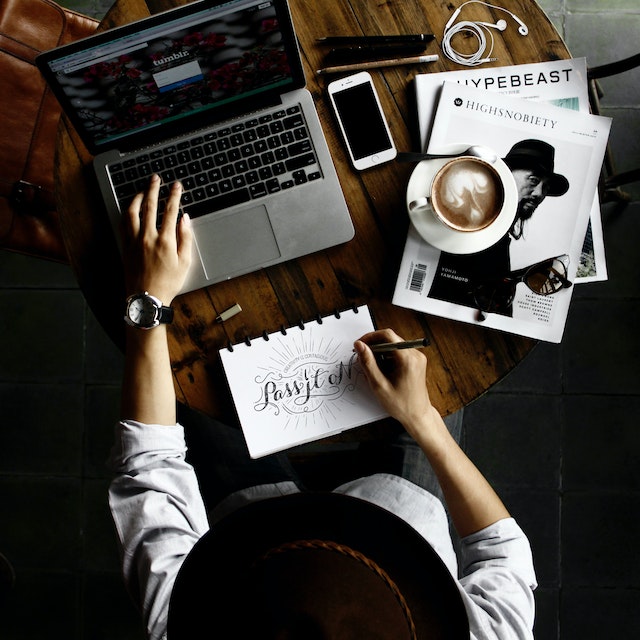
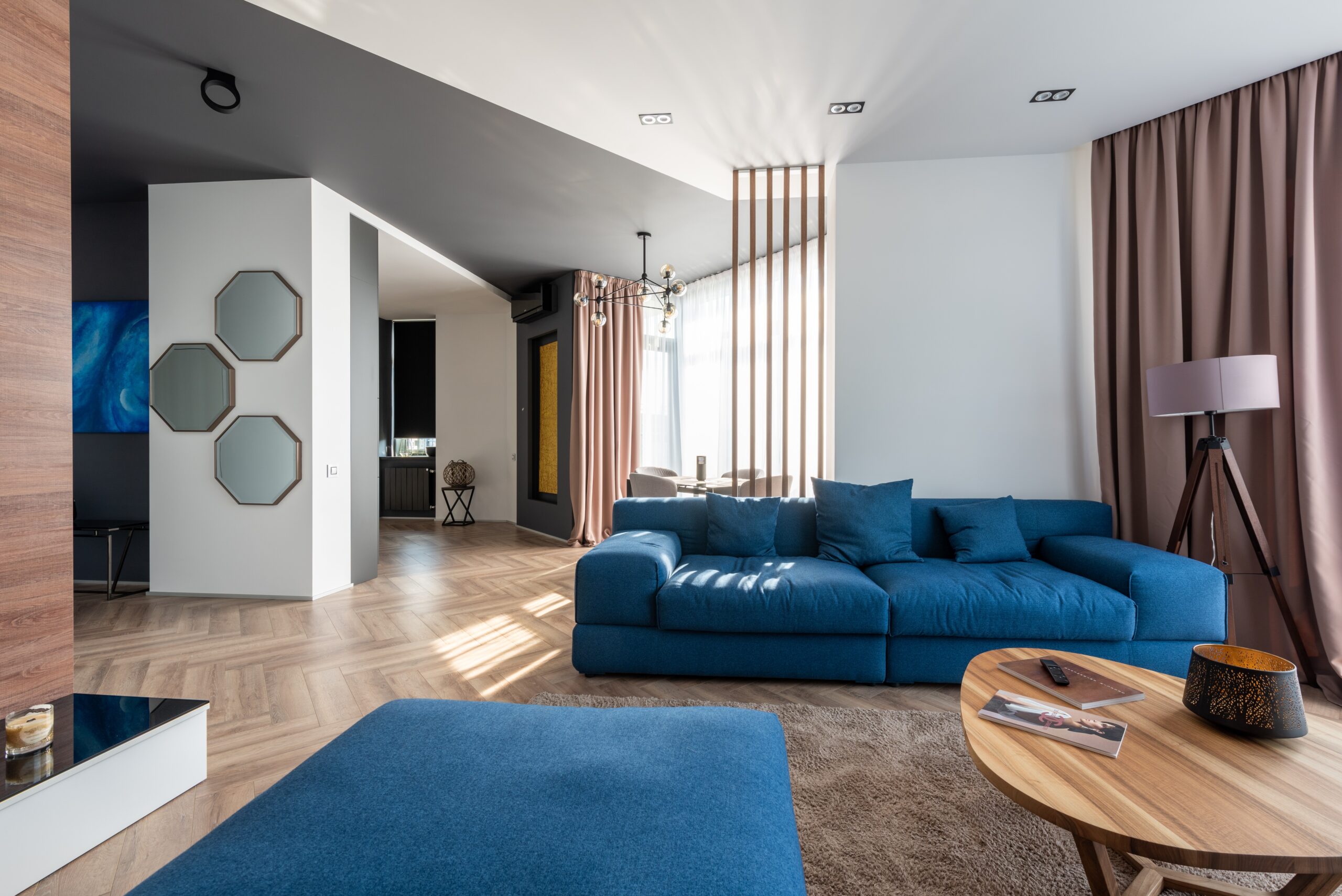
Our company was founded in 2008 by Kathleen J. Hughes, who is an experienced interior designer.
We are based in Grand Prairie, Texas, but our clientele is worldwide. No matter what your budget is, we can work with you to create a custom design that fits your needs and tastes.
If you are looking for a fresh new look for your home or office, please contact us today to learn more about our services. We would be happy to discuss your project with you and provide you with a free quote. Thank you for choosing Furniture Design 24!
Recent Blog Posts

How to Arrange Furniture in a Studio Apartment: A Step-by-Step Layout Guide
Living in a studio apartment doesn't mean sacrificing comfort or style. With the right studio apartment furniture arrangement, you can transform a single open room into distinct zones that feel like separate areas. This practical guide walks you through exact...

Color Psychology in Restaurant Interior Design: How Colors Affect Appetite and Dining Experience
Why Color Psychology Matters in Restaurant Interior Design Walk into a fast-food chain and you will likely be surrounded by bold reds and yellows. Step into a fine dining establishment and you will notice deep blues, soft neutrals, or rich earth tones. This is not a...

What Paper Weight for Business Cards? A Complete Guide to Choosing the Right Stock
What Paper Weight for Business Cards? Why It Matters More Than You Think Your business card is often the very first physical impression someone gets of your brand. Hand over a flimsy, lightweight card and the message is clear: you cut corners. Hand over a thick,...